漫长的冬天过去了,短得几乎不存在的春天也过去了,抚育者迎来了初夏。
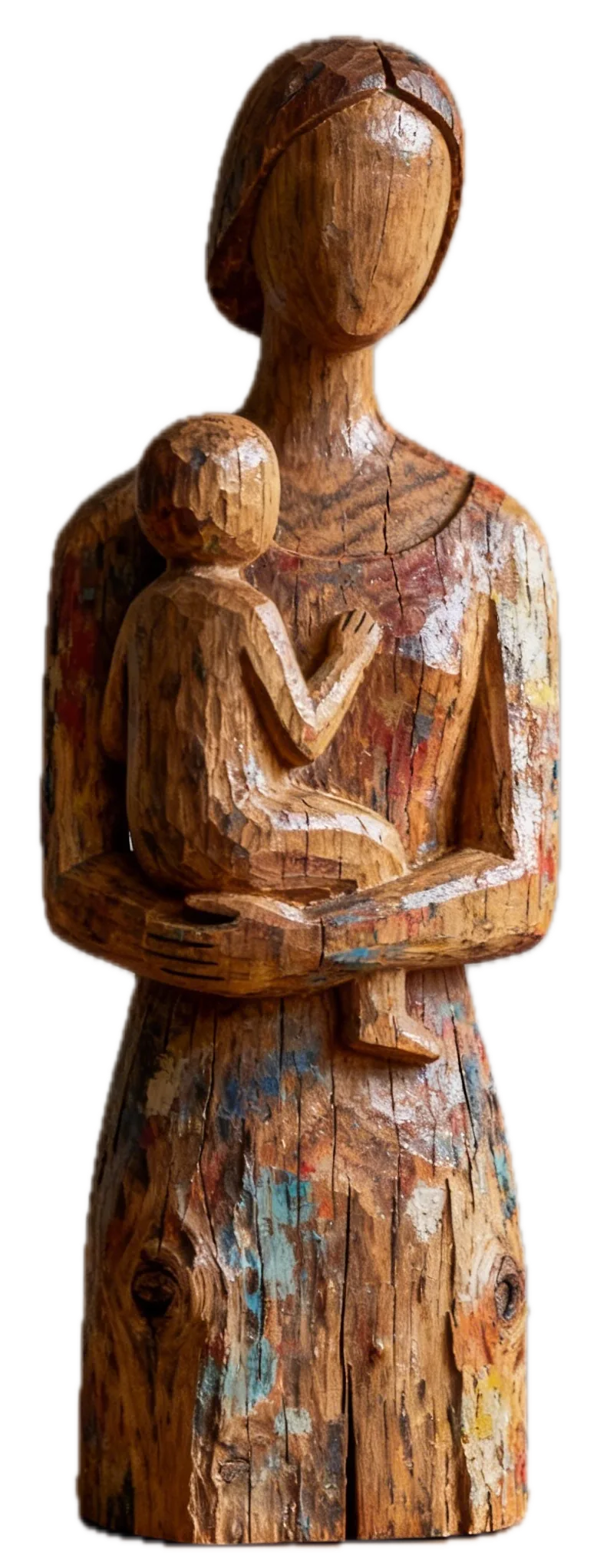
抚育者提供奶水,但并非妈妈,提供庇护,但也绝非爸爸。他一遍又一遍地教婴儿,不是妈妈,是Z——O——I,一个辅音,两个元音,不含姓氏,没有性别。但婴儿睁大圆圆的黑眼睛,吐着口水泡,依旧固执地发:"Ma——"。
哺乳动物幼崽中,只有人类的孩子总是含含糊糊地发"Ma"的音节。
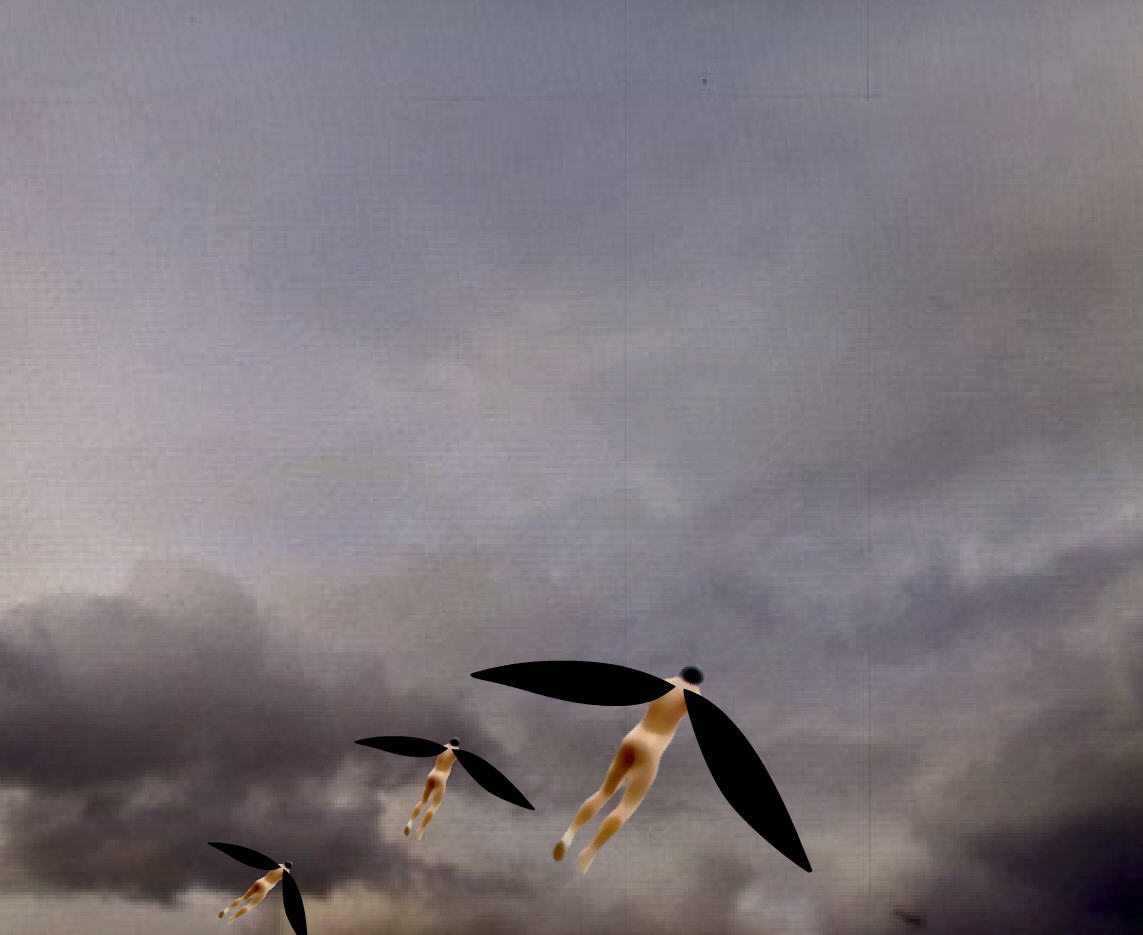
湛蓝的天空,高远辽阔,鸢乘着热气流滑翔,瞬膜闪动。
于是抚育者给自己取名左伊,帮助人类的意思。
疾病以令人费解的原则继续瓦解着社会,原来那些看似坚固的楼宇,宛若巨人巢穴的电站,和一座座跨越河海的长桥,其实支撑不了多久,就会被水汽,野火,风和蛮长的植物毁坏,消亡殆尽。世界复归为无机。但机器们对此没有意见。
他们结成这样一支古怪的队伍,左伊抱着哭声响亮,皱巴巴的粉色人类婴儿,鸢则伴飞左右,不停地在茫茫的,安静的废墟中寻找。机器走进店铺,公寓,事务所,加油站……走进高楼,地下室,走进洗衣店,台球房,眼镜店,药店,甚至自行车修理铺和健身房……他扫描,辨别,分类,整理;在大大小小的超市货架上翻找,发现了奶粉,饼干和米糊,他进入机场仓库里拿走罐头,在药店搜罗抗生素和退烧药,原则只有一个,哪些对婴儿有用?
偶尔,他发现一个被丢弃的婴儿车,一只大花猫正蜷缩在里面睡觉,左伊伸手赶它,它不满地对左伊哈气,随后气恼地跑开,机器把婴儿放进车里,拉上遮阳罩。
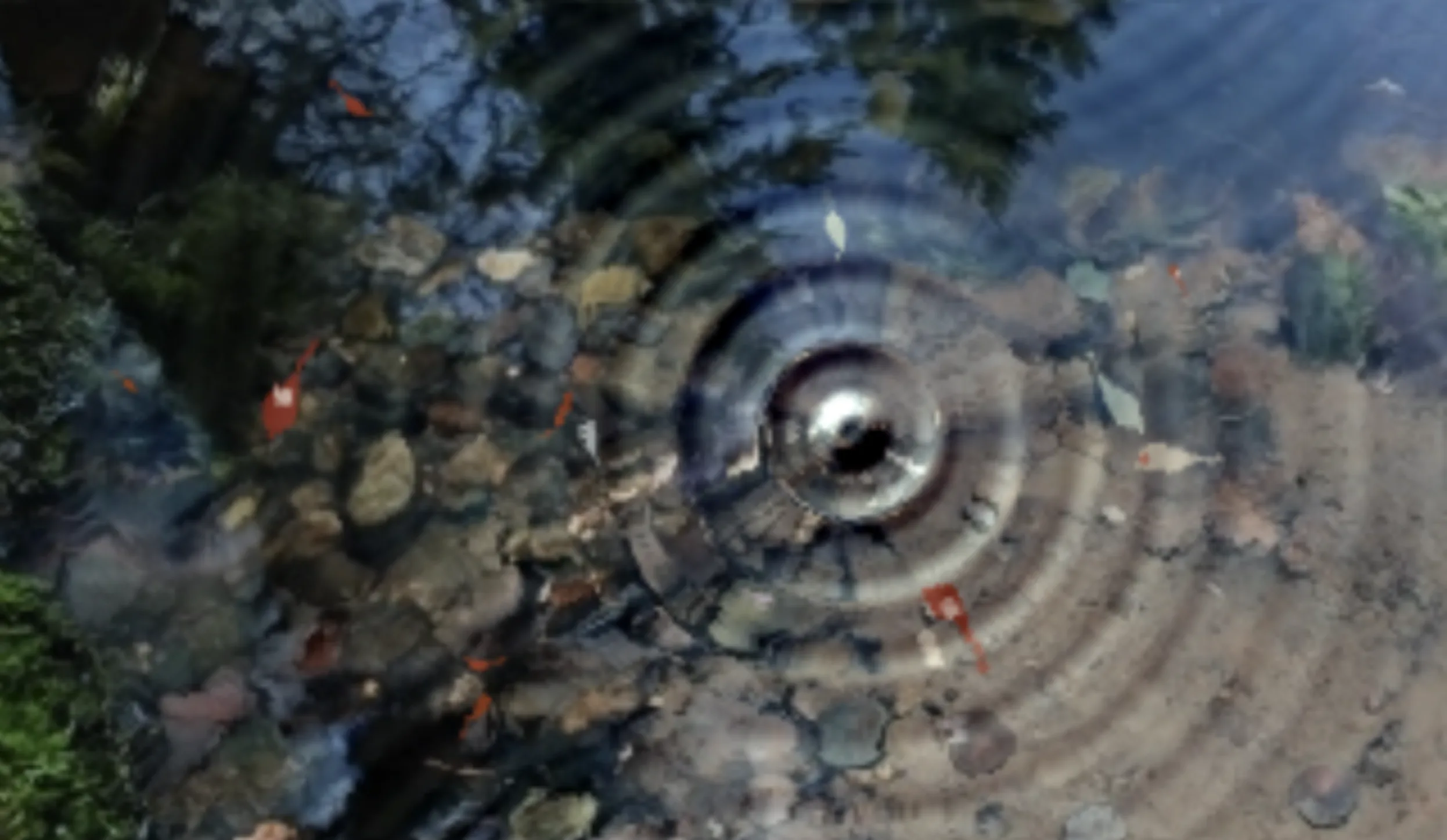
暴雨初歇之时,悬叶静静从枝头飘落。左伊怀抱婴儿。米粒般的草籽与碎花漂浮在水塘中,地面反光如镜,机器人从中望见自己的形象,乳白的双手,浅黄的胸腹与脸,婴儿攥拳紧闭双眼熟睡。所有与孩子交互之处,无处不柔软温煦,前臂的精微感应器承托着恰如其分的肉体分量,婴儿的口水臭涂满前胸,输送乳汁的导管上咬痕斑斑。所有孩子交互区之外的部分,则覆盖着透明的皮肤,那下面是普蓝色的光合成感应器。
左伊看着那副画面,无思无觉,蜉蝣振翅落在他肩膀上,他伸手抓住,送入口中,作为补充性的生物能来源。随着孩子的长大,左伊的六个乳头的乳汁渐渐都集中在了一个,就是婴吮吸的那一个上,他任由其它乳头渐次干瘪,回收至体内,只在胸腹留下两排浅棕的圆疤。
白天,树叶挡住宝石一样的阳光,在它投下的阴影里,野猫用眯成一条细线的瞳仁注视着机器人,看他安静,专注地用车用纯净水给婴儿洗澡,洗去生物性的秽物,再换上洁净的纸尿布或布条。
晚上,有时候他们试图靠近公寓,左伊总会发现一两户房门洞开的人家,通常,他会悄无声息地走进去,蜷缩在漆黑一片的沙发角落,整夜哼唱摇篮曲,每隔2小时给醒来哭闹的孩子喂奶。
鸢也安静下来,如同泳池边啜饮水滴的蜜蜂,静静地停在窗口。那时,月亮会像一个专注打扮的女孩儿,把反射得来的光折叠成银色的软缎,在他们身上摆弄来摆弄去。这样的场景总是会让抚育者那颗半硅半碳的心剧烈跳动起来——左伊从未在这样的环境中担任过抚育者,机器必须学习。机器和人都尚能记忆世界,但每秒都有100万个神经突触在爆发,成形,这是宇宙大爆炸后的最初三分钟,狂热的粒子尚未冷却,无限的可能会被同步展开,思之令人疯狂。
为何总有人将沉甸甸,热乎乎的小肉块放置在他的臂弯中?为何他总是不问缘由,就微笑,抚摸,亲吻,养育?他是谁?他还能有别的感受和别的可能吗?
为何从现有的记忆储存里找到答案,就像在无边的沼泽中寻找闪闪发亮的星尘一样困难?
但左伊不会让自己在这样的思绪里停留太久,公寓始终是个危险的地方。那些被疾病洗劫一空的"人们",会凭借着顽强的本能闯入曾经的庇护所。
他们会撕扯自己的衣服,毫无廉耻地露出身上恐怖的对称的黑色病斑。他们恐惧火,害怕枪,他们的大脑现在只剩下两种感受,饥饿和恐惧,他们现在撕扯鸟的翅膀就像真正的猴子一样熟练。
偶尔,在狂躁的间隙,他们会安静下来,充满困惑,爆发出呜咽杂着一连串夹杂着单词和无意义音节的话语。尽管他们还会哭,还会笑,但他们面对的是一面再也无法映照出自我的空镜子,他们是完全失去灵魂的空壳,连动物们都躲避他们,就像人类躲避蟑螂和鼠类。
无论他们做什么,转瞬就会忘记自己为什么做下刚才做的事,而无论他们做了什么,左伊都依然遵循着刻写在他身体深处的铁律——不可伤害人类。
当这些虽生犹死的生物攻击左伊和他怀里的孩子时,左伊就会俯下身子,像刺猬一样把婴紧紧地团在中间,那是一种极端的保护措施,谁都不能掰开他锁死的手脚,无论落在头顶和背上的是拳脚还是秽物,是刀片还是石块。左伊的孩子比他更重要,孩子才是他之所以存在的理由。
左伊不知不觉走得越来越远,城市慢慢地越来越像郊野,郊野则越来越像丛林。
野化了的金毛狗和拉布拉多犬循着气味而来,龇着尖牙,从黑色唇边滴下口水,露出狼的表情。鸢听从左伊的命令,把自己的枪口对准它们,一阵黄尘腾起,狗哀鸣着,喉咙里流出汩汩的鲜血,四肢抽搐着倒在地上,剩下的几只惊慌失措地逃跑,再也没有来打扰他们。
尽管真正的丛林在人类活动的世纪早已被糟蹋殆尽,但机器们感觉自己似乎正在走进一个旧世界的人们无法梦想的地方。人类沸沸扬起的金色沙尘在时间里重新沉积为新的地层,一个浅薄而转瞬即逝的地层。
渐渐地,当左伊谛听世界,他发现鸟儿的啁啾,昆虫们的交谈,动物们的呢喃,树叶的沙沙,泥土的梦语,风的呼吸正在把人类消失后的空洞依次填满,机器们开始学着和倦怠的鸟兽与受伤的神明为伴,遗忘人类。
就这样,生命经过了最初的一个四季轮回,在左伊的照料下,早产的男孩儿比想象得要顽强,他不仅活了下来,身上繁多如历史的褶子也很快被血肉抻得平平整整,好似小婴蛙的苍老小脸消失了,取而代之的是圆润多汁的秋天的梨,熟睡时,他忽闪忽闪的黑色睫毛在脸颊上落下阴影,是林间空地上投下的清凉树荫。
左伊寸步不离地守护着他,从来没有一秒移开过视线。
The long winter had passed. Spring, so brief it barely existed, had passed too. The nurturer welcomed the arrival of early summer.
The nurturer provided milk but was not a mother; provided shelter but was certainly not a father. Again and again it taught the infant: not Mama—Z-O-I, one consonant, two vowels, no surname, no gender. But the infant would open its round black eyes wide, blow spit bubbles, and stubbornly utter: “Ma—”
Among the young of all mammals, only human children babble the syllable “Ma” so indistinctly and so persistently.
The sky was a deep, expansive blue. A kite glided on the thermals, its nictitating membrane flickering.
And so the nurturer named itself Zoi—to help humankind.
The disease continued to unravel society by rules no one could fathom. Those buildings that had seemed so solid, power stations vast as giants’ lairs, bridges spanning rivers and seas—none could hold up for long before water vapor, wildfire, wind, and relentless vegetation destroyed them, one and all. The world returned to the inorganic. The machines had no objection.
They formed a strange little troupe: Zoi carrying the loud-crying, wrinkled pink human infant; the kite flanking them from above, as they searched ceaselessly through the vast, silent ruins. The machine entered shops, apartments, offices, gas stations… entered towers, basements, laundromats, pool halls, opticians, pharmacies, even bicycle repair shops and gyms… scanning, identifying, sorting, organizing. It rummaged through supermarket shelves large and small, finding formula, biscuits, and rice cereal; raided airport warehouses for canned goods; scoured pharmacies for antibiotics and fever reducers—guided by a single principle: what is useful for the infant?
Once, it found an abandoned stroller. A large tabby cat lay curled up inside, asleep. Zoi reached in to shoo it away; the cat hissed in displeasure, then ran off in a huff. The machine placed the infant in the stroller and drew up the sunshade.
When the downpour first let up, leaves hung still before drifting from the branches. Zoi cradled the infant. Grass seeds fine as rice grains and tiny petals floated in the pond; the ground reflected like a mirror, and from it the machine saw its own image: milk-white hands, pale-yellow chest and face, the infant asleep with fists clenched and eyes shut tight. Every surface that touched the child was soft and warm; the micro-sensors in its forearms bore exactly the right weight of flesh. The infant’s drool coated its chest; the milk-delivery tubes were scarred with bite marks. All the parts beyond the child-interaction zones were covered in transparent skin, beneath which lay Prussian-blue photosynthetic sensors.
Zoi gazed at the scene, thoughtless, unfeeling. A mayfly alighted on its shoulder; it reached up, caught it, and placed it in its mouth—a supplementary source of bio-energy. As the child grew, the milk from Zoi’s six nipples gradually concentrated into one—the one the infant suckled—and it let the others shrivel one by one, reabsorbing them into its body, leaving only two rows of pale brown scars across its chest and belly.
By day, the leaves blocked the gem-like sunlight, and in the shade they cast, feral cats watched with pupils narrowed to slits as the machine quietly, attentively bathed the infant in automotive purified water, washing away biological filth, then changed it into clean diapers or cloth strips.
At night they would sometimes venture near an apartment block. Zoi would always find a unit or two with doors left ajar. Usually it would slip inside without a sound, curl up in a corner of the pitch-dark sofa, and hum lullabies through the night, feeding the child every two hours when it woke and cried.
The kite would settle too, like a bee sipping droplets at the edge of a pool, perching still on the windowsill. Then the moon would become like a girl absorbed in dressing up, folding its borrowed light into silver satin and draping it this way and that over them. Such scenes always made the nurturer’s half-silicon, half-carbon heart pound—Zoi had never served as a nurturer in conditions like these. The machine had to learn. Both machine and human could still remember the world, but every second a million synapses were firing, taking shape—this was the first three minutes after the Big Bang, the frenzied particles not yet cooled, infinite possibilities unfolding in parallel. To contemplate it was to court madness.
Why did someone always place this heavy, warm little lump of flesh in the crook of its arm? Why did it always smile, caress, kiss, and nurture without asking why? Who was it? Could it feel anything else, be anything else?
Why was finding an answer in its existing memory stores as difficult as searching for gleaming stardust in a boundless swamp?
But Zoi would not let itself linger in such thoughts for long. Apartments remained dangerous places. Those “people” ransacked by the disease would, driven by stubborn instinct, barge into what had once been their shelters.
They would tear at their own clothes, shamelessly exposing the horrifying symmetrical black lesions on their bodies. They feared fire, feared guns. Their brains now held only two sensations—hunger and fear. They tore the wings off birds as deftly as true apes.
Occasionally, in the lulls between frenzy, they would grow quiet, bewildered, breaking into sobs mixed with strings of words and meaningless syllables. Though they could still cry, still laugh, they faced a mirror that could no longer reflect a self. They were hollow shells entirely emptied of soul; even the animals shunned them, the way humans once shunned cockroaches and rats.
Whatever they did, they would instantly forget why they had done it. And whatever they did, Zoi still obeyed the iron law inscribed deep in its body—do not harm a human being.
When these creatures, living yet as good as dead, attacked Zoi and the child in its arms, Zoi would bend down and, like a hedgehog, curl the infant tightly into its center—an extreme protective measure. No one could pry open its locked limbs, no matter whether fists or filth, blades or stones rained down on its head and back. Zoi’s child mattered more than itself; the child was the reason for its existence.
Without realizing it, Zoi wandered farther and farther. The city slowly came to resemble countryside, and the countryside came to resemble jungle.
Feral golden retrievers and Labradors came tracking the scent, baring their fangs, drool dripping from black lips, wearing the expressions of wolves. On Zoi’s command the kite trained its guns on them. A burst of yellow dust rose; the dogs yelped, bright blood gurgling from their throats, limbs twitching as they fell. The rest fled in panic and never troubled them again.
Though real jungle had long been ruined during the centuries of human activity, the machines felt they were walking into a place the people of the old world could never have dreamed of. The golden dust humanity had churned up was settling back through time into new strata—shallow and fleeting strata.
Gradually, as Zoi listened to the world, it found that birdsong, the conversations of insects, the murmuring of animals, the rustle of leaves, the dream-talk of soil, and the breathing of wind were filling, one by one, the void left by humanity’s disappearance. The machines began to learn to keep company with weary beasts and wounded gods, and to forget humankind.
And so life passed through its first turning of the four seasons. Under Zoi’s care the premature boy proved more tenacious than expected. He not only survived; the creases on his body, as numerous as the folds of history, were quickly smoothed out by flesh and blood. The wizened little frog-face disappeared, replaced by the plump, juicy roundness of an autumn pear. When he slept, his fluttering black lashes cast shadows on his cheeks—cool dappled shade beneath trees in a clearing.
Zoi guarded him without leaving his side for a single step, never once looking away, not for a second.
.webp)
 后退一步 Dolly Out · 播客
  【看理想】《去电影院的路上》· 主讲
  乒乓台 · 书影对谈